
By admin March 2, 2026
Selling fireworks is not like selling normal goods. Fireworks are seasonal items that have a high demand, can only be sold to adults, and are sometimes subject to local law. Thus, the biggest shopping times, such as holidays, become a peak of both logistics and risks for the sellers.
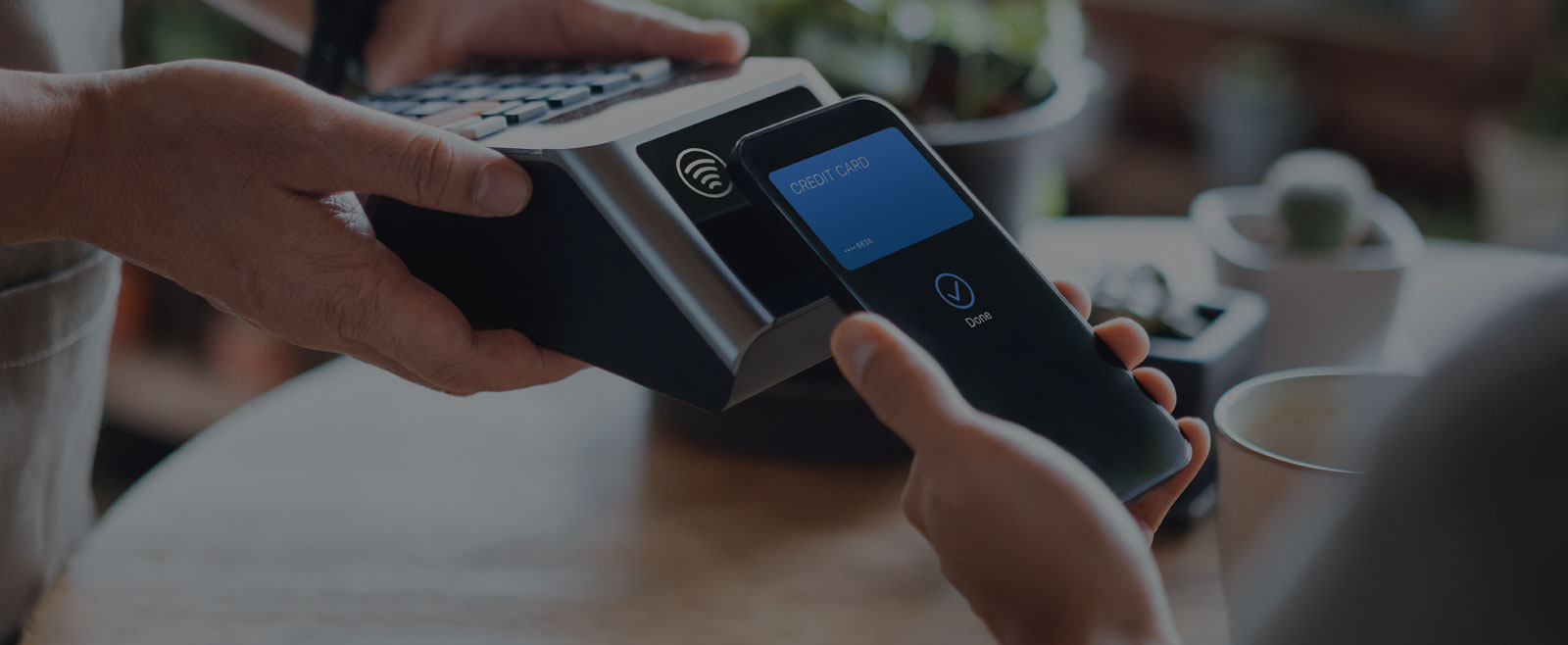
Dealers who allow customers to preorder online or use the Buy Online Pickup In Store (BOPIS) method have to deal with the legal age verification, inventory availability, customer education, and secure payment processing simultaneously. Due to the high-ticket values and occasional rushes, fraud control and checkout systems have to withstand additional pressure.
If there are no proper safety measures, the mixture of high demand, quick turnover, and physical pickup can lead to fraud, friendly disputes, and operational bottlenecks. Store owners have to get their digital sales channels ready for an easy, both age verification, law-compliant, and secure payment experience.
Why Fireworks Preorders Attract Fraudsters
High-value limited-edition products are attractive not only to eager buyers and buyers but also to fraudsters. Automated tools are used on e-commerce platforms to see card numbers, CVVs, and expiration dates to guess, a tactic known as enumeration. Such attacks can give rise to fraudulent orders that merchants are compelled to fulfill, or they are faced with chargebacks when the rightful cardholder disputes the unauthorized charge.
Visa and Mastercard have strengthened the monitoring of high-risk merchants, closely watching fraud and chargeback volumes. In case limits are breached, payment processors may impose fines, raise reserves, or even terminate merchant accounts. Fireworks merchants should be prepared for safeguarding their business before the peaks season.
Age Verification: Legal and Operational Imperative
Fireworks sale is regulated for safety reasons, and different laws in different localities require that a certain age minimum to be respected. Therefore, online preorder systems that wish to provide age-restricted products must incorporate age verification at the earliest stage of the shopping journey and not only at the point of pickup to avoid making any illegal transactions.
This could be accomplished by means of a driver’s license scan, a check of a government-issued ID, or a third-party service that confirms the age prior to payment authorization. Doing a good detailed age check not only shields the merchants from the law but also means that nobody can take the sellers to court and demand a refund later on.
Employees at the store should physically check the ID that was shown online at the moment of picking up the goods. Such a two-stage check ensures that the right thing is done and helps to keep the sellers from getting into trouble with the law, being fined, or damaging their reputation by selling to underage buyers.
The Role of 3D Secure in Peak Week Preorders

3D Secure is a payment authentication protocol that greatly enhances e-commerce transaction security and is a great aid to merchants in cutting down fraud and related chargebacks. When an online purchase being made, 3D secure forwards the risk data to the card issuer, to authenticate the buyer. For instance this can be done via SMS codes or biometric prompts.
EMV 3D Secure, the latest version, uses a few hundred data points for detecting fraud, providing a nearly invisible route for transactions with low risk and a challenge only when risk signals are high. In that way, the merchant is safeguarded, and the fraud chargeback liability is transferred to the issuing bank if the authentication is done successfully.
It is one of the strongest measures against theft of personal transaction data, with no or very little checkout friction being added
Payment Gateway Best Practices for Fireworks Stores
Choosing the right payment gateway is essential. A gateway that offers various fraud detection tools, for example, Address Verification Service (AVS), Card Verification Value (CVV) checks, velocity filters, and even machine learning algorithms, will effectively put up the first line of defense against suspicious transactions.
Such precautions study the consumer’s behavioral patterns, shipping locations, and the speed of transactions, among other criteria, to identify and flag potential fraudulent orders even before the payment is processed. Merchant businesses should partner with payment gateways that enable tokenization, significantly lowering the risk of data breaches by replacing sensitive card information with unique tokens.
SSL encryption and PCI DSS compliance continue to be very important; therefore, most payment gateways take over the major part of the technical challenges to allow merchants to concentrate more on their sales and order fulfillment. A wise gateway choice is a very basic step for ensuring secure preorder and BOPIS success.
Streamlining Peak Week Checkout Without Sacrificing Security

In times of peak seasonal sales, people generally look for quick and definite answers rather than going through numerous verification steps. A great deal of friction can result in either the customer leaving the cart or getting angry.
Advanced fraud detection systems use risk-based logic to determine which transactions need to be authenticated and which ones can be allowed without any intervention.
Silent authentication lets low-risk purchases go through without any problems, while high-risk purchases have to go through a simple verification, temporary code, or biometric confirmation before they are authorized. Such a trade-off between security and conversion rates is of great benefit to both.
Handling BOPIS Payments and Age Verification Onsite
BOPIS solutions need to connect a digital preorder with a physical pickup seamlessly. The payment authorization should take place before the pickup, but the age check must be done when the customer is physically there. Retailers can line up the preorders, check the ID with the digital order, and only after the confirmation, release the fireworks. A very simple process where cashiers scan the preorder number, confirm the ID, and complete the pickup totally cuts down on errors and disputes.
Besides employees training is also a crucial factor; staff should be well-informed about what documents are valid, how to resolve controversies, and the usage of POS/BOPIS systems. Being consistent is one of the ways to gain trust and lessen the tension, even at the busiest times.
Communicating Secure Checkout to Customers

Being transparent about how checkout works is really important, especially when it comes to age and limited products. Retailers should give clear explanations about the reasons for extra checks, what data is collected, and how payment security is ensured. Payment badges and security icons that are recognized by consumers serve as a great reassurance for those who are about to make a payment.
Let customers know that preorders are safe, that their privacy is respected, and that they can expect an easy pickup process. Being this honest helps customers to understand the situation better, builds their trust, and reduces the number of calls during the busy week.
Data-Driven Fraud Monitoring During High Demand
Automated analytics tools enable merchants to identify unusual purchase patterns almost instantly. For instance, a sudden increase in order volume coming from the same IP range, billing and pickup addresses not matching, or a device making rapid repeated attempts can be some of the indicators of fraud.
Merchants must track essential metrics like the rate of different transactions, the rate of authorizations, and the risk score. Furthermore, payment gateways and fraud platforms usually have dashboards to facilitate teams in spotting the anomalies and taking actions to prevent risk escalation. A prompt reaction can prevent placing fraudulent orders at the shipping stage, which means not only saving money but also lowering the chances of chargebacks.
Chargeback Mitigation for High-Risk Ecommerce
Fireworks have a high-risk factor because of their high costs, and regulatory compliance issues. The chargeback process may be expensive for a business in terms of the fees they need to pay and the reserve they are required to maintain by card networks. Maintaining billing descriptors simply, using familiar store names, and giving detailed order confirmations are effective ways to prevent friendly fraud.
In order for a merchant to avoid misunderstandings with their customers that may lead to disputes, they need to clearly communicate their preorder policies, pickup hours, and cancellation/refund rights. A customer service that is proactive and always available to assist quickly can be a great way to stop disputes from being taken to the bank.
When there is a fraud attempt, detailed transaction logs and records are the evidence that supports the merchant’s case if the dispute is raised.
Conclusion
Adding a “purchase now” button is not enough to integrate online preorder and BOPIS for fireworks; a safe, legal, and user-friendly payment method is also necessary. Smart payment gateway selections, sophisticated fraud controls like 3D Secure, and robust age verification all contribute to a decrease in chargebacks and illegal sales.
In addition to lowering operational friction, clear communication at checkout and during pickup increases customer confidence. Especially during periods with high demand, analytics and risk monitoring help businesses stay ahead of fraud. In the end, seamless and safe checkout processes result in happy customers, safer stores, and improved company reputations.
FAQs
Why is e-commerce for fireworks risky?
Compared to regular items, fireworks are more vulnerable to fraud and conflicts because of their high order values, age restrictions, and seasonal increases.
Does 3D Secure eliminate the possibility of fraud?
Although no system is flawless, EMV 3-D Secure transfers responsibility to issuers for validated transactions and drastically lowers chargebacks connected to fraud.
What is the best way to conduct age verification?
Age verification is required for both in-store pickup with physical ID matching and online preorder (by ID upload or third-party check).
What are the most important gateway features?
To lower risk at checkout, look for AVS, CVV verification, tokenization, fraud scoring, velocity filters, and PCI DSS support.
How do clear policies reduce disputes?
Transparent preorder and refund policies reduce misunderstandings that often lead to friendly fraud and chargebacks.