

The fireworks season is short, and so is the season to earn revenue for fireworks stands. A temporary structure can be set up for a maximum of two weeks around the time of the Fourth of July. If you miss the opportunity to set up and lose a few peak days because of inefficient card processing, you will lose that opportunity forever because you won’t earn that revenue ever again.
That is why smart operators prepare a preseason packet. It avoids frozen accounts during the busiest hours, and it is the single best way to avoid a frozen account. This guide will show you how to process merchant account fireworks underwriting, what documents are required, and the approval process.
What Is Fireworks Merchant Account Underwriting?
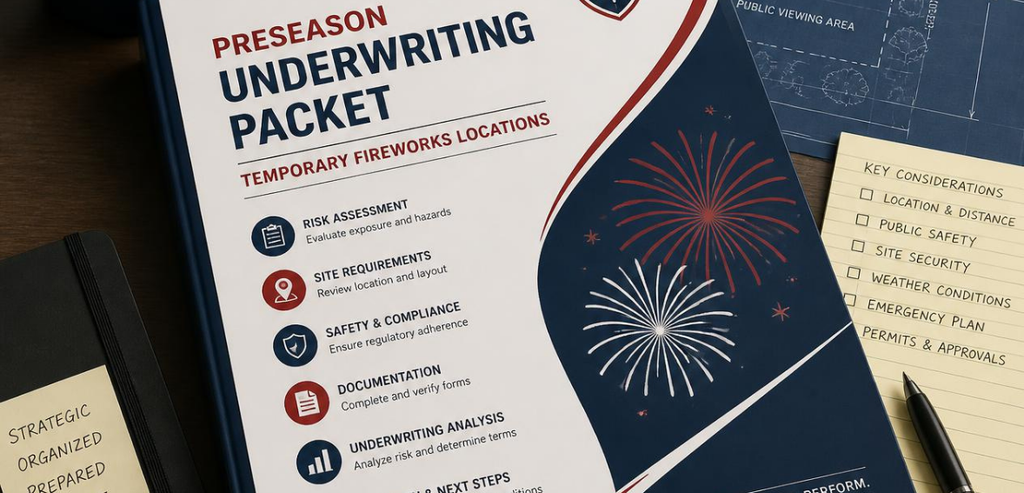
Underwriting is a risk review. An acquiring bank or payment processor studies your business before it lets you accept credit and debit cards. The goal is simple. The bank wants to know it won’t lose money if you close, get fined, or rack up chargebacks.
Fireworks merchant account underwriting more closely resembles a high-risk underwriting review than a general retail underwriting review. As a result, we can expect significantly more strictness over the entire underwriting process. For applicants, we can expect a significantly longer process, with more paperwork, more detailed questions, revisions to their business model, and revisions to their contracts. Applicants can expect a lengthy approval process, as long as a week, compared to day-long processes typical with other merchant account requests. For this reason, applicants are best served to start the application process as soon as possible.
Why Temporary Fireworks Locations Face Extra Scrutiny
A permanent fireworks store has a lease, a history, and a paper trail. A temporary stand often has none of that. You might set up a tent in a parking lot in mid-June and tear it down by July 5. Underwriters see that pattern and worry.
The primary concern is post-season exposure. Chargebacks can happen weeks after a sale. Seasonal businesses create post-season concerns because after the peak sales, there are no sales for long periods leaving the credit card processor holding the chargeback liability with no stands and no money in the account.
There are also concerns with licensing. There are strict regulations in most states on the sale of temporary fireworks. For example, in Kansas, seasonal sales are limited to a certain period in the summer. There may also be restrictions from municipalities regarding sales before a certain date. It is also a concern of underwriters whether you can legally stand at the proposed location without a permit, as a lack of a permit will be a reason for the file to be stalled.
What Goes Into a Preseason Underwriting Packet
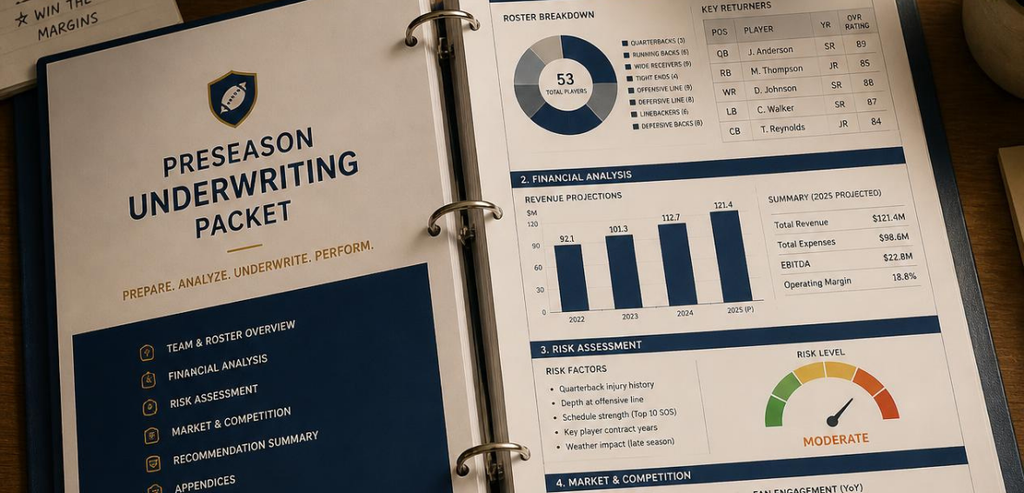
Think of the packet as your approval kit. Assemble it once, keep it current, and hand it over the moment you apply. A complete file removes back-and-forth and speeds up the review. Below are the four groups of documents that matter most.
Business Formation and Ownership Documents
Begin with the evidence of your business’s authenticity and legitimacy. Your business’s name and EIN (Employer Identification Number) will be necessary, along with your formation documents, which would typically be either articles of incorporation or an LLC certificate. Sole proprietorships would be required to provide the necessary DBA filing.
Your ownership will also need to be confirmed. A photo ID and personal credit report will need to be provided for each principal owner. Card networks will require this due to the Know Your Customer and Know Your Business rules. Quick, precise, and clean records will easily build trust and allow your application to proceed.
Licenses, Permits, and Fire Marshal Approvals
Fireworks merchants need specific permits to sell fireworks in specific areas. Local or state business permits, retail sales permits, and local fire marshal permits are all required. Merchants also need to include their retail sales tax license and a certificate of no tax due. Some states require additional documentation, like a temporary event permit to sell at fairs or festivals. Fire marshals might do a stand inspection to ensure compliance of safety measures and a copy of that inspection approval is a good document to include. A good reference for fireworks safety is the U.S. Consumer Product Safety Commission.
Financial Records and Processing History
Underwriters want to see how money flows through your business. Provide recent business bank statements, usually the last three to six months. Add a voided business check so funds can be deposited correctly. If you have filed taxes as a fireworks seller, recent returns help too.
Prior processing statements are gold. If you ran a stand last season, share those statements. They prove your average ticket size, your monthly volume, and your chargeback record. A low dispute rate is your strongest argument for better terms. New operators without history should expect a tighter reserve until they build a track record.
Site, Equipment, and Policy Details
Finally, describe how the operation works. Show the underwriter how many temporary stands you will have and where they will be placed. Tell the underwriter how long each stand will be in place and what your daily expectations for sales are. Explain how you will collect payment. Payment systems that have been used for tent sales by many other operators include portable readers and all-in-one terminals.
Include the written description of your refund and return policy, as this encourages the underwriter to accept your policy. Fair, simple, and clear terms will decrease disputes and give the underwriter peace of mind. A brief description of your fraud controls should be included, as well as your compliance with the Payment Card Industry Data Security Standard (PCI DSS). You can review the CIS and the PCI Security Standards for more information. When combined, these will show your seasonal business is well organized and planned.
Reserves, Fees, and Chargebacks: What to Expect
Approval rarely comes without conditions. Understanding them upfront helps you plan your cash flow and price your inventory.
High-risk and seasonal accounts typically operate under a rolling reserve. Chargebacks are a concern for processors, so a percentage of your sales are held to mitigate this risk. Reserves are typically held between 5% and 15% for 90 to 180 days. If your stand closes in July, that money could be locked until the fall. Plan for this in your budget.
Transaction fees are higher for high-risk processing accounts, as rates are usually between 2.5% and 5%. There are a number of other fees that you need to be aware of, such as monthly account fees, gateway fees, chargeback fees, etc. It is crucial that you get this information in writing so that you can be sure of the costs you are agreeing to.
High chargeback ratios can lead to high-risk penalties and increased reserves. A delay in processing a refund, a lack of clarity on a refund policy, rapid response dispute processes, and clear billing descriptors can lead to increased chargeback ratios. These accounts get constant reviews throughout the processing season, so you can get a business review anytime, even without prior notice.
Choosing a Fireworks Merchant Services Provider

Not every processor will touch a fireworks account. Many big-box, low-risk providers decline the vertical outright or freeze accounts once they learn what you sell. That surprise mid-season can be devastating. So choose a partner that openly supports the industry from day one.
Look for a provider with real experience in seasonal high-risk retail. The right partner offers dedicated underwriting, clear reserve terms, portable hardware, and support that answers the phone during your peak week. Ask directly whether they allow a seasonal account to pause and reopen each year without a fresh application. That single feature can save you weeks.
Specialized High-Risk Processors: Corepay
Corepay is a payment processor that services high-risk and seasonal merchants, so it is a good example. They have personalized account management and construct reserves around irregular sales. This is a good fit for the peak-and-pause sales that characterize a fireworks stand. But they are not the only option. Several merchants services firms that focus on fireworks stands exist, and each has different offerings.
The key is to compare offerings. Consider the fit for your needs for underwriting, reserves, contract duration, termination costs, and overall clarity of pricing. Always get two to three quotes from the specialists before even thinking about signing. A provider that already has knowledge of fireworks merchant account underwriting will provide the best services and save you the most money.
How to Speed Up Approval Before Peak Season
Timing is the most important factor to consider when applying for an opening in this business. Because underwriting can take more than seven to ten business days, you should apply at least four to six weeks before your stand opens. This gives you time to answer any questions after submitting your application without cutting into the sales time for your stand.
Submit your application as a complete packet to avoid the most common cause of delays: having to go back to correct mistakes. To avoid delays, confirm that your permits are not pending approval, your bank statements are the most up-to-date, and your business name is on every document in the same form. If you sold last year, lead with those statements to confirm that your business is stable. The time you invest in your application opens your stand during your highest sales season.
Conclusion
Temporary fireworks locations live or die by a handful of peak days. A payment freeze during that window is not a minor hiccup. It is lost income you cannot recover. A well-built preseason underwriting packet is your insurance against that outcome.
Gather your formation papers, licenses, financials, and site details early. Understand the reserves and fees before you sign. Then partner with a processor that genuinely supports the fireworks vertical. Do that, and fireworks merchant account underwriting becomes a one-time task rather than a season-long headache. Prepare early, sell freely, and let the fireworks be the only thing that explodes.
Frequently Asked Questions
Why are fireworks businesses considered high-risk for payment processing?
Fireworks are heavily regulated and carry real safety liability. Sales also spike sharply, then stop, and temporary stands can close before chargebacks settle. Underwriters view that combination as elevated financial and reputational risk, so they apply stricter terms.
How long does fireworks merchant account underwriting take?
Plan for seven to ten business days, and sometimes longer for a temporary location. A complete, accurate packet is the fastest path. Missing permits or mismatched documents are the most common causes of delay, so apply four to six weeks before you open.
Will I have to pay a rolling reserve as a seasonal fireworks seller?
Very likely, especially in your first season. Processors commonly hold 5% to 15% of your card volume for 90 to 180 days to cover late chargebacks. Reserves often shrink over time once you show a clean dispute history and consistent sales.
Can I reuse my merchant account for next year’s season?
Often, yes. Many specialized providers let a seasonal account pause after the season and reopen the following year without a full reapplication. Confirm this feature in writing before you sign, since it saves significant time each season.